





Analysis Jackbit For 2026: First Impression In Practice
You usually notice it within a few minutes: the platform immediately directs you to registration, deposit, and game selection, without endless searching. Imagine sitting on your phone on the train and wanting to quickly see what's possible – you don't want a maze of menus, but clear steps and obvious buttons.
However, a quick start is not the same as a smart start. Many players click through until they have deposited money and only then do they start thinking about limits, time, and verification. It's more convenient to understand in advance how accounts, payment methods, and responsible gaming are set up, so you don't have to stop later when you're just getting into the flow.
What You See And Do As A Player Immediately
It usually starts with three actions: creating an account, choosing a payment method, and selecting a game. For example, if you have energy left after a long workday to do "one session," it helps to first agree on your own budget (write it down literally if necessary) and only then deposit. That sounds simple, but it prevents you from negotiating with yourself during the session.
Also pay attention to language settings, notifications, and session timers. Many platforms offer options to enable reminders for breaks or to limit your session duration. If you are susceptible to "just one more round," it's better to enable those signals before you start – it's harder afterwards.
Small Checkpoints Before You Continue
Think of a short checklist: is your profile correct, is your email confirmed, and do you have a clear way to find help if something goes wrong? Imagine you've just made a deposit and your balance doesn't appear immediately – you don't want to search for a hidden support button.
Also make it a habit to save your own data: which method you used, which date, and which amount. Not because you need to be suspicious, but because it makes you faster if you need to find or explain something to support.
Registration And Account: Fast, But Not Rushed
Registration often feels like a formality: fill in a few fields, confirm, done. Yet players run into the most "later problems" here. Consider a scenario: you create an account on your laptop in the evening, but deposit the next day via mobile. If you then use a different email, a different browser, or a wrongly saved password, you'll get into an unnecessary recovery round.
It's better to immediately ensure a strong password, a fixed login method, and secure settings. Use extra security where possible, and choose an email address you always have handy. Sounds boring, but it's exactly the kind of foundation you only appreciate when you need it.
Additionally, check your personal limits. Many adults want to "just relax" and only notice after an hour that it became too long. If you set a session limit or deposit limit in advance, your discipline has to work less hard later.
Verification Without Stress: How Players Often Handle It
Many people postpone verification until they want to cash out. Imagine you finally have a nice win and suddenly have to submit documents – that feels like a brake on your momentum. A more practical approach: do it at a quiet moment, when you're not in a gaming session.
Ensure your photos are clear, that names match your profile, and that you don't keep using different devices with all sorts of filters. If something is rejected, it's often a detail. Submitting calmly again works better than clicking frustratedly ten times.
Game Selection And Navigation: From Quick Choice To Smart Choice
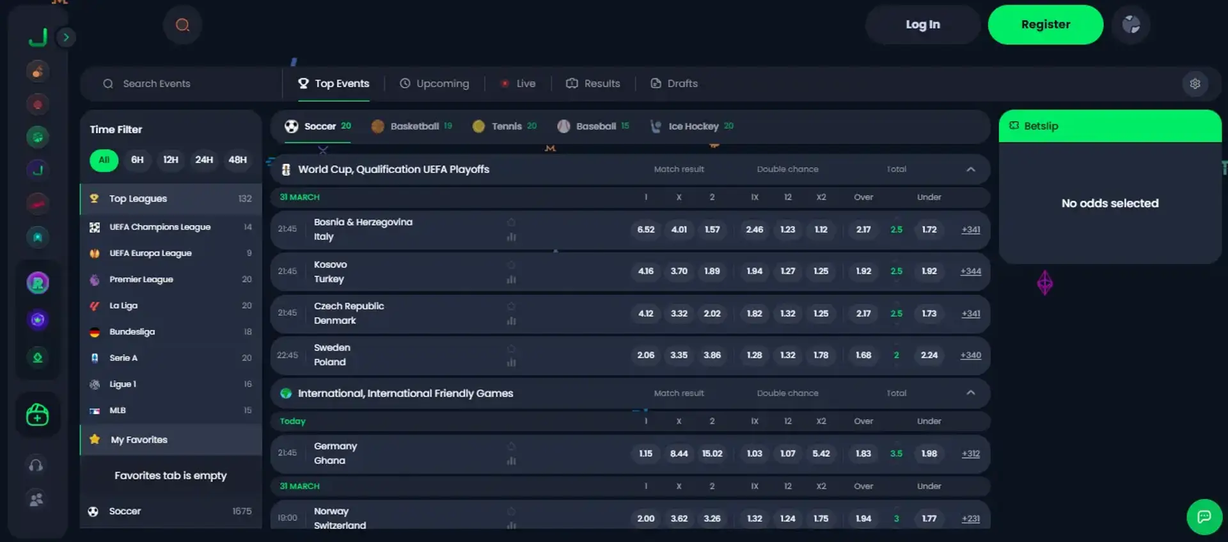
A large selection is nice, but it can also make you lazy: you scroll, click on something, lose overview, and end up in a game that doesn't suit your pace. Imagine you only have 15 minutes – you want a game that starts immediately and is clear, not something where you first have to read rules and understand settings.
Therefore, look at categories and filters. Many players start with popular titles, but it can be smarter to choose based on volatility, game speed, or bet level. If you notice that you are susceptible to quick rounds, consciously alternate with games that are slower, so you don't fall into an "autopilot" rhythm.
Another practical step: create favorites. It sounds small, but it prevents you from searching again and again, and it makes your sessions more predictable. And predictability is often exactly what you need to maintain boundaries.
Live Games and Dealers: When it's fun, and when it's not
Live tables feel more social. Imagine needing something more "at the table" than pressing a button after a busy day – then live play might be more enjoyable. At the same time, it often requires more focus and time, which can become the problem.
Make agreements with yourself: how many rounds, what's the maximum per bet, and when to stop. In live environments, "just one more hand" is extra tempting because you're in the flow. A timer helps, or a fixed end time you choose beforehand.
Bonuses and Promotions: Read the rules as if it were your money
Promotions can be useful, as long as you see them as extras and not as "free money". Imagine seeing an offer and thinking: great, then I'll play longer. That's exactly when you can lose yourself, because your session is no longer about fun but about "unlocking" something.
Therefore, always look at conditions such as wagering requirements, game restrictions, and time limits. If you notice that rules irritate you, that's already a signal: maybe that promo doesn't suit your playing style. Fortunately, many players are happiest with simple deals they understand at once.
Also put your limits above the offer. A bonus that pushes you over your budget is not an advantage. It's simply a reason to take more risk, and that's rarely the intention.
How Players Plan Promotions into Their Routine
A useful approach is to treat promotions as a separate session. Imagine you normally play on Friday evening, but a promotion ends on Thursday – then it's better to have a short, planned session on Thursday with a small budget, than to stretch your Friday budget "because you have to".
Write down your goal for yourself: entertainment, a short break, or a longer session. If the goal is entertainment, don't choose conditions that force you to play for hours.
Payments and Withdrawals: Expectations, Steps, and Patience
Here, players mainly want one thing: clarity. Imagine depositing and your balance appears immediately – great. But when withdrawing, you want to know what steps are coming, what checks are normal, and what you can do yourself to prevent delays.
Start by choosing a method that suits your habits. Some people want speed, others want an overview, still others want everything via one fixed wallet or bank route. Whichever choice feels better: stick with it. Switching methods can trigger extra checks and makes your own administration messier.
Also pay attention to your own timing. Starting a withdrawal just before a weekend or late at night can feel like "nothing is happening", while the process is simply going through phases. Calmness really helps here: you submit your request, check your details, and wait without refreshing every five minutes.
Component | What You Do As A Player | What to Consider |
|---|---|---|
Start deposit | Choose method and enter amount | Does it fit within your budget and limit? |
Confirmation | Complete transaction in your payment environment | Check if name and account match |
Request withdrawal | Choose amount and confirm request | Preferably choose the same route as for deposit |
Follow Status | View progress in your account | Avoid multiple requests at once without reason |
Troubleshoot | Contact support with details | Have date, amount, method, and any error messages ready |
Typical Friction Points And How To Avoid Them
A lot of hassle arises from small things: a typo in data, a different name variant, or using multiple devices. Imagine paying out on mobile, but you previously registered on desktop with different autocorrect – that can cause confusion.
Make it easy for yourself: use one set of data, one main device, and one clear method. And if you see an error, stop clicking. Note what you see, possibly take a screenshot for yourself, and only then contact us. This often saves two or three back-and-forth rounds.
Safety, Privacy, and Responsible Gaming: Practical Tools That Help
A mature player thinks not only about winning or losing, but also about control. Imagine noticing you're playing more often than you intended – you don't want to be dependent on sheer willpower. You want tools: breaks, limits, and an easy way to step away temporarily.
Use time-out options if you have a busy period, or if you notice playing is becoming an automatic habit. Self-exclusion can be useful if you really notice your limits are no longer working. These are not "dramatic" steps, but tools to guide your behavior. Many people use them preventively.
Privacy is also a habit. Don't log in on shared devices, don't let your browser save passwords if others use your laptop, and critically examine notifications. For example, if you find notifications on your lock screen annoying, turn them off – this way you maintain peace and control.
A Mini-Plan For Your Next Session
Take 30 seconds before you start. Imagine: you sit down, open the platform, and instead of clicking immediately, you say to yourself: “budget X, time Y, stop moment Z”. Only then do you deposit. That one moment makes the difference between a session you control and a session that controls you.
Customer Service And Self-Help: How To Get An Answer Faster
Support is most helpful when you make it easy to help you. Imagine writing: “it doesn't work”. Then you'll get questions back, and that takes time. If you outline your situation in one message, it often goes faster.
What usually works well: describe what you did, what you expected, what happened, and which method/device you used. Also add the time and the amount if it concerns payments. Then the agent can search in the right corner immediately.
Self-help is also useful. Many platforms have settings where you can reset or check things yourself, such as email confirmation, notifications, and limits. For example, if you notice you're constantly being logged out, first check your browser settings and cache before attributing a problem "to the platform".